I read Maggie O’Farrell’s latest novel, LAND, back in September - you can read my review here - and I was therefore excited to see her ‘In Conversation’ this week. Nothing, in my view, can replace the immediacy of a novelist interviewed live, and I was keen to hear what O’Farrell had to say about her most recent book. She was interviewed by fellow Irish author (and DJ), Annie MacManus. The event was held at the London Irish Centre, as part of their occasional London Irish Literary Salon series, so there was a distinctly Irish warmth and solidarity to the interview. O’Farrell was generous with her answers, and the questions ranged from her early Irish literary influences, to her writing process for this particular novel, to her research methods. There was also a musical interlude: the audience was treated to a wonderful Irish ballad, sung by fiddle-player, Doireann Ni Ghlacain.
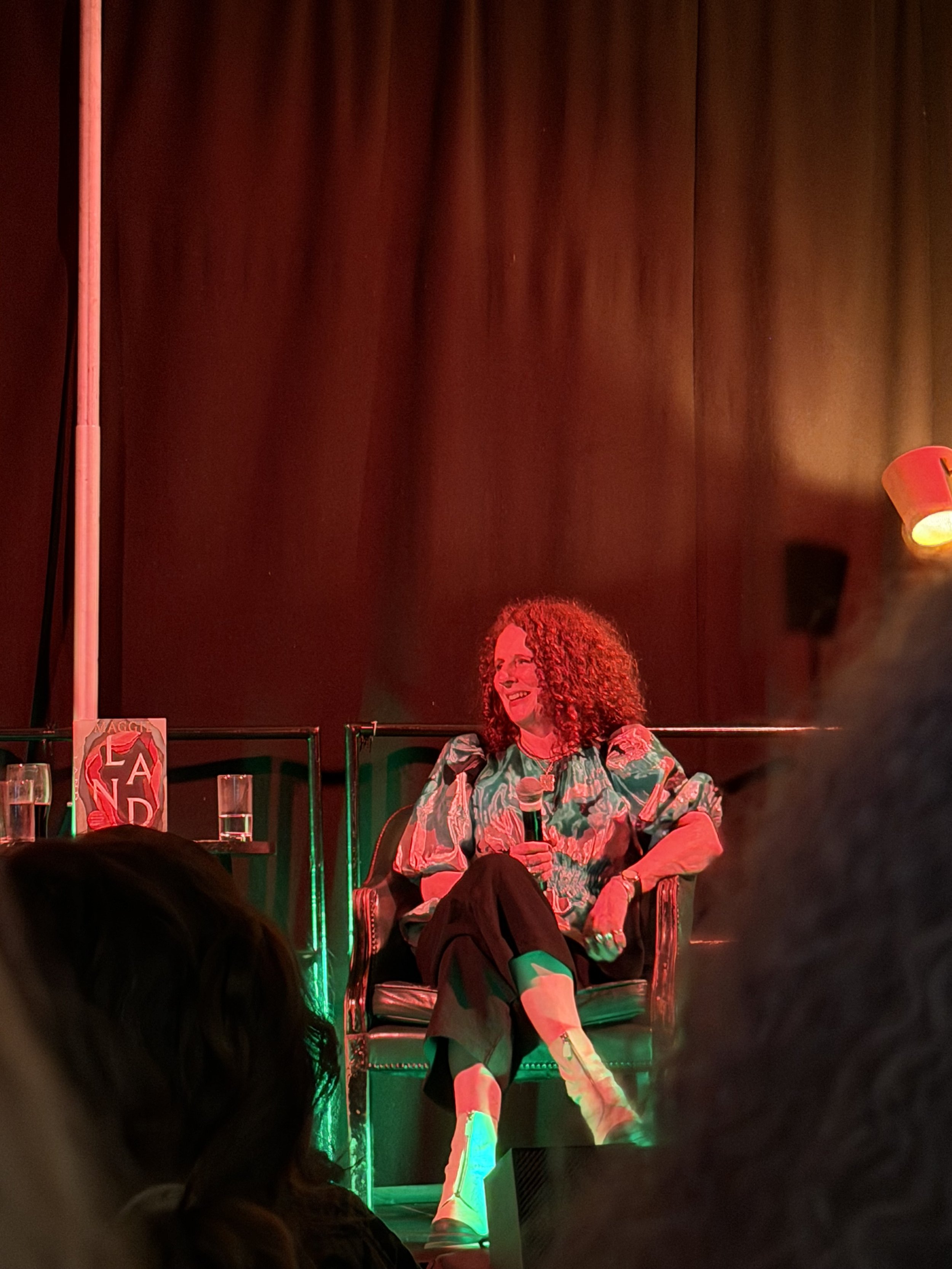
Maggie O’Farrell ‘In Conversation’ at the London Irish Centre
To the question of how she combines the task of historical research for a novel, with the writing of the fiction itself, she described herself as a ‘panster’, preferring to conduct her research alongside the writing of the book, diving early into the words, and swimming around, getting to know her characters. Her early Irish literary influences? Although she was born in Ireland, she left while still a child, but her father insisted on always reading Irish myths and stories at bedtime, so she grew up with an appreciation of, and a working knowledge of, Irish folklore. Questioned on how she came to use her great great grandfather as one of the central characters of the book (he becomes Tomas, a mapper, working on the Ordnance Survey project of Ireland for the British in the mid 19th-century), she said she’d always known about his role, but hadn’t, until recent years, known how she might incorporate her family history into a novel. The lightning bolt struck when she was sitting delayed on a train between Belfast and Dublin a few years back, when the phrase ‘He was ever a man of few words’ came into her mind. This proved the springboard for her sweeping tale of Tomas and his family, and their fate and fortunes, following the post-potato-famine years in Ireland. Questioned on why the novel travels back several millennia, in Part Two, to encompass mythic elements, she said she was a little nervous of doing so, as it was a big ask to expect of a reader newly immersed in 19th century Ireland. Then she laughed and said luckily her editor of 30 years didn’t write WTF into the margins! All in all, it was an illuminating evening, not least her admission that she took a pair of secateurs, on a fact-finding trip to Ireland, when she was in search of hidden ‘sacred wells.’
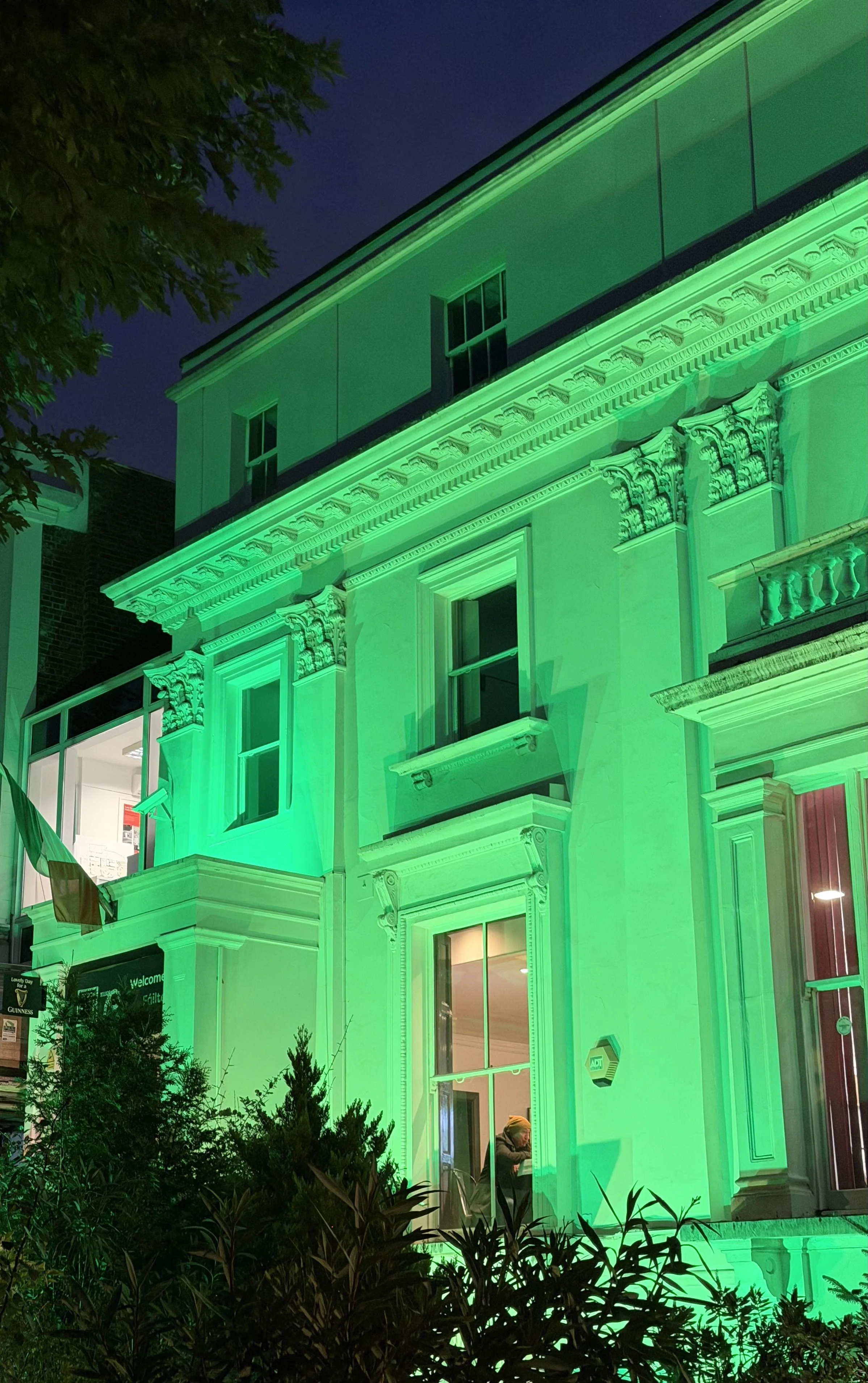
The London Irish Centre