Book reviews
Journal
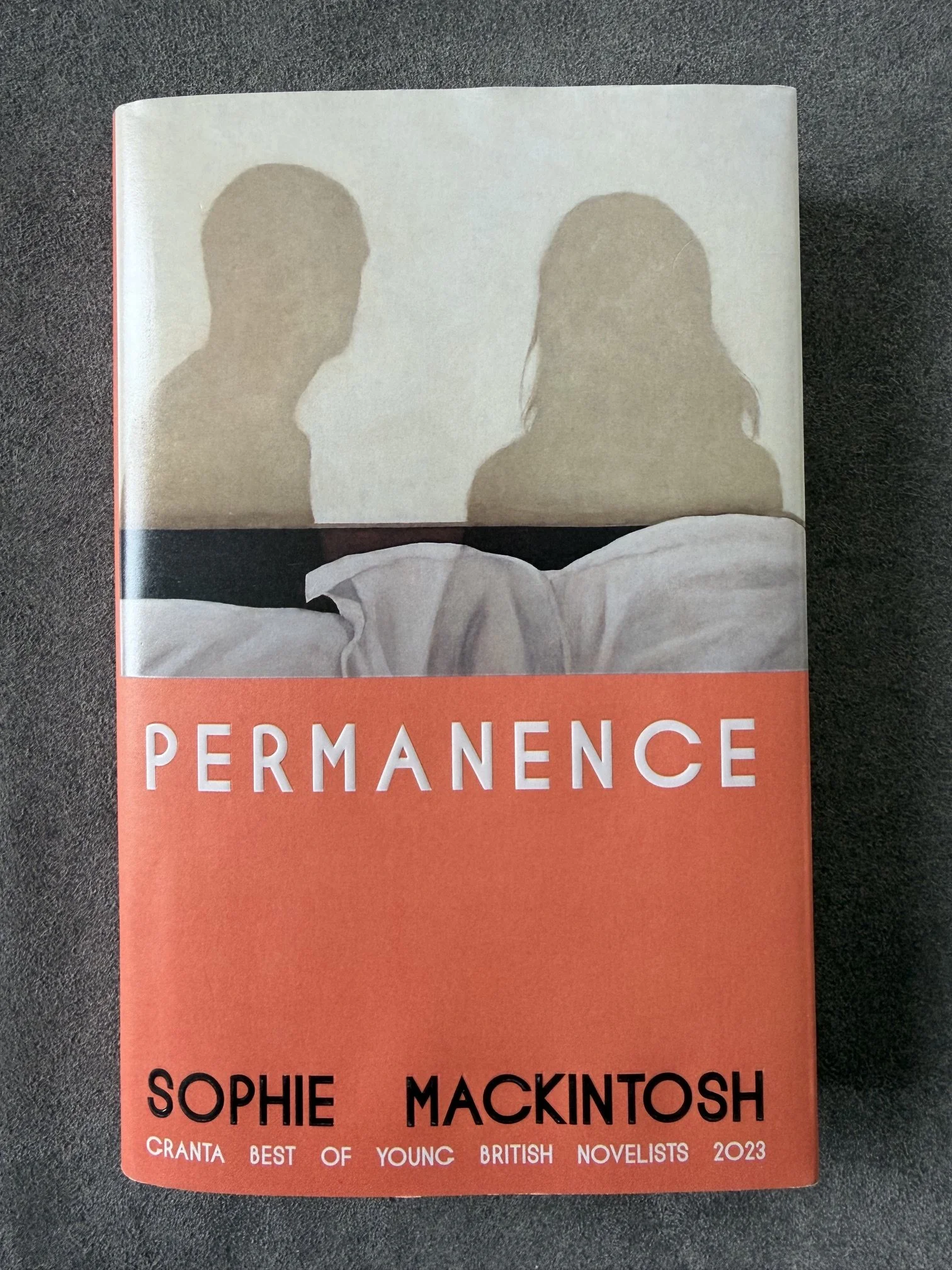

Sophie Mackintosh’s laser-sharp novel of infidelity and love, PERMANENCE, is dreamlike in setting, but emotionally unflinching, as it traces the inevitable trajectory of Clara and Francis’s affair.
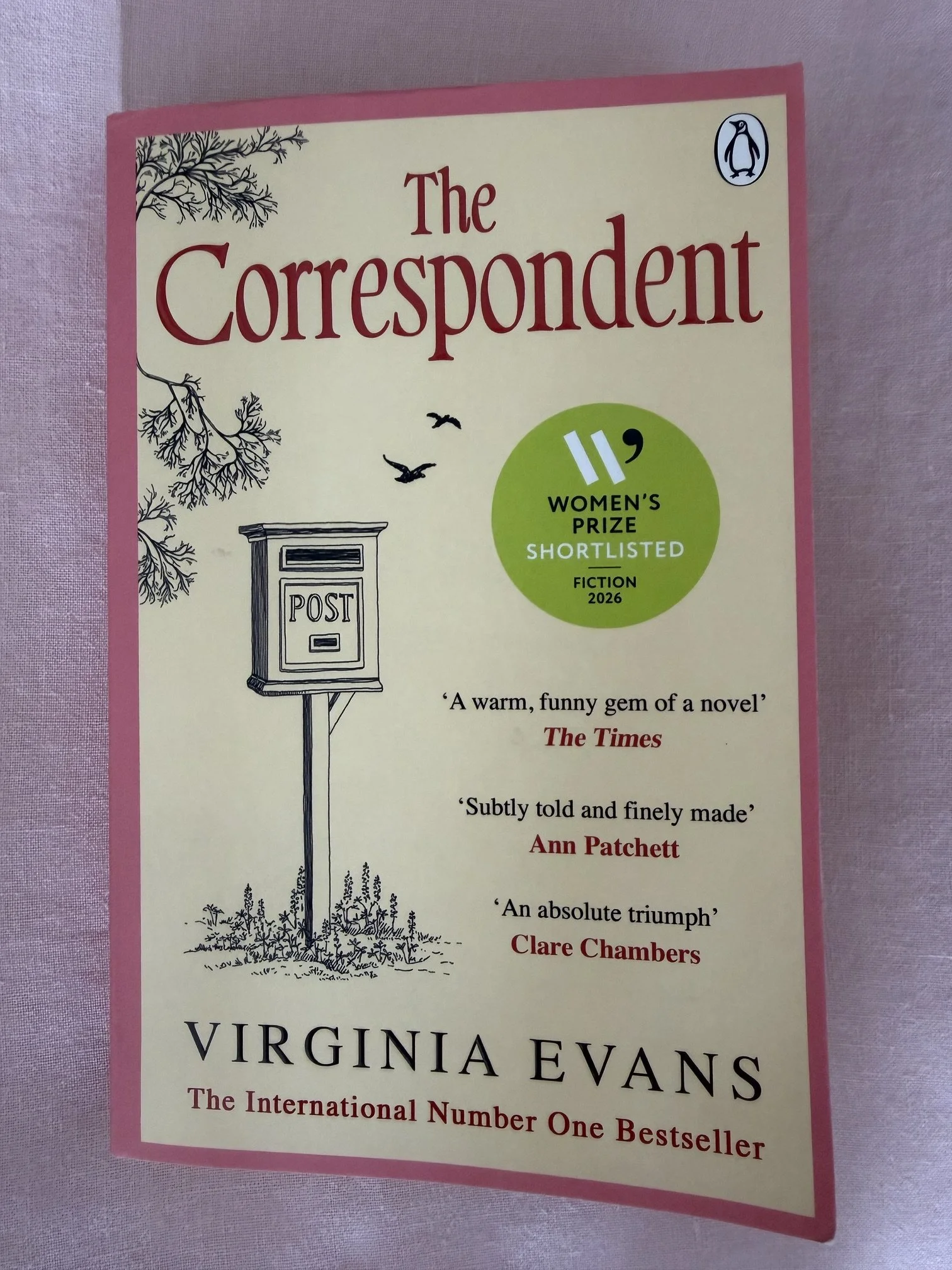
Through letters and emails, Virginia Evans’s well-observed epistolary novel, THE CORRESPONDENT (Penguin, £9.99) pieces together a dark family secret, hidden until now by its protagonist, feisty Sybil Van Antwerp.
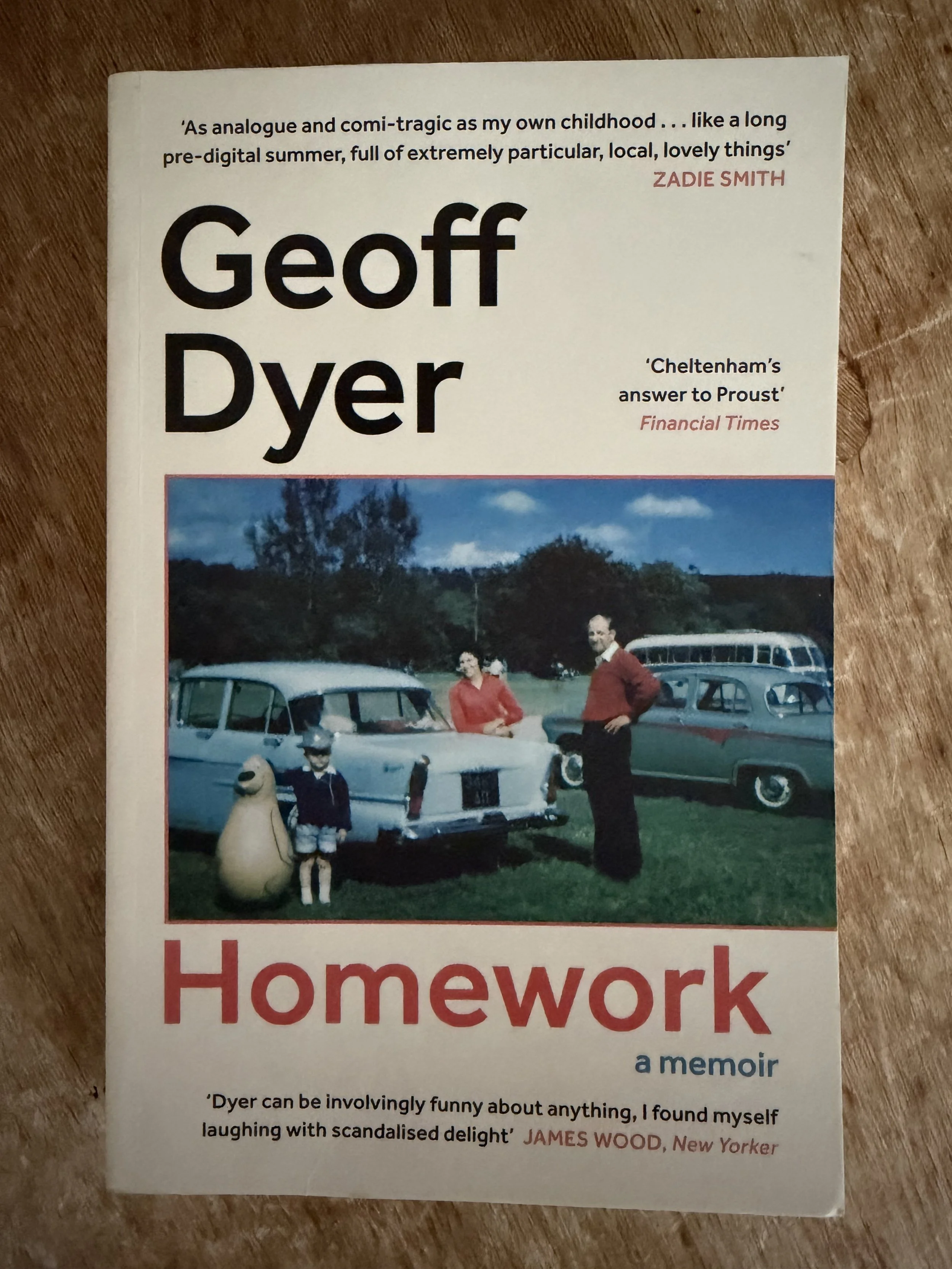
Geoff Dyer’s tender, comic, beautifully detailed memoir of his working class, suburban childhood in Cheltenham, HOMEWORK (Canongate Books, £11.99), is both a slice of social history, and a gloriously written tribute to his childhood and teenage years.
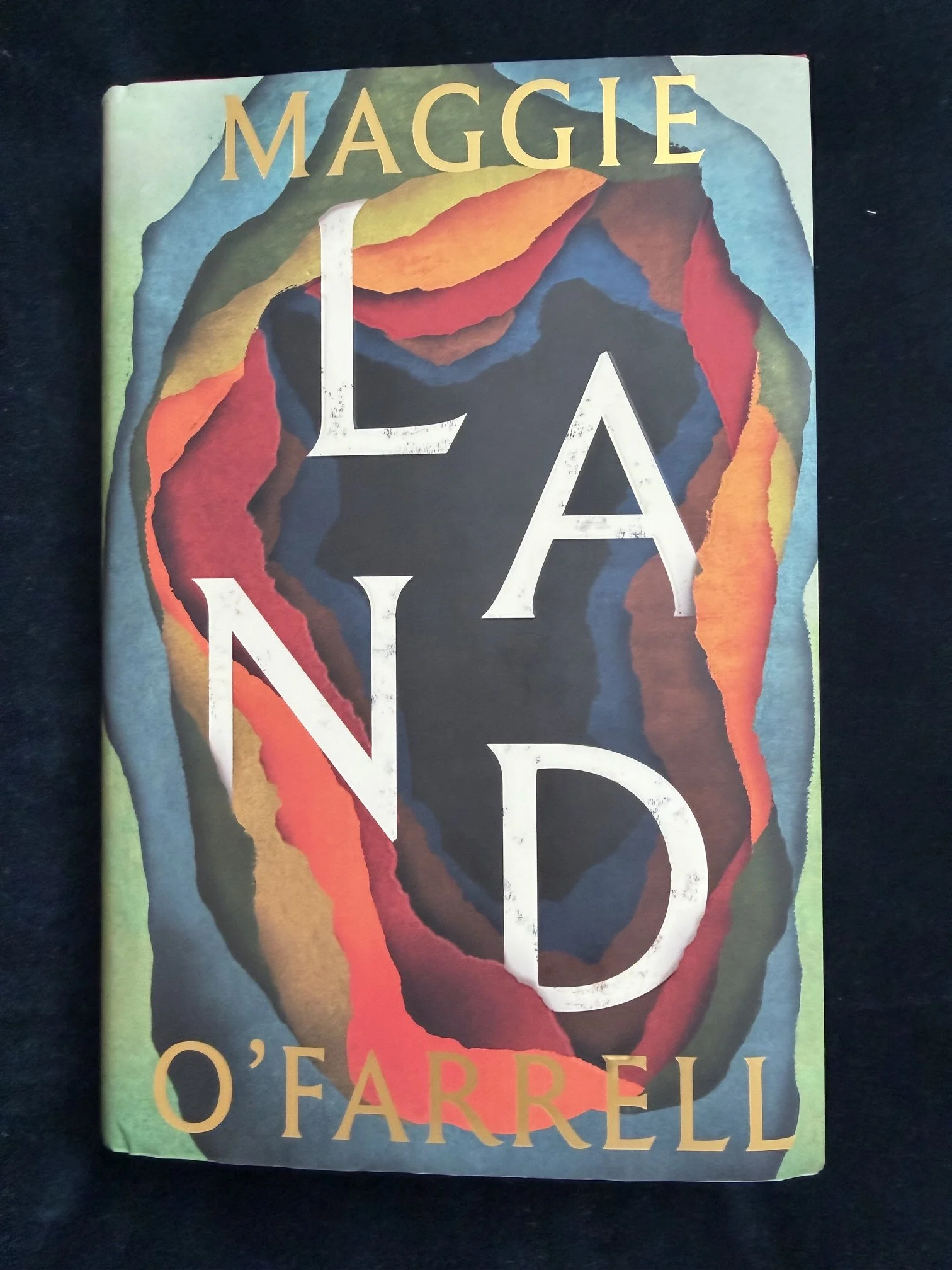
Maggie O’Farrell’s LAND (£25, Tinder Press) is a gloriously written, family saga set in nineteenth century Ireland, in the wake of the Irish Potato Famine of the mid 1800s.
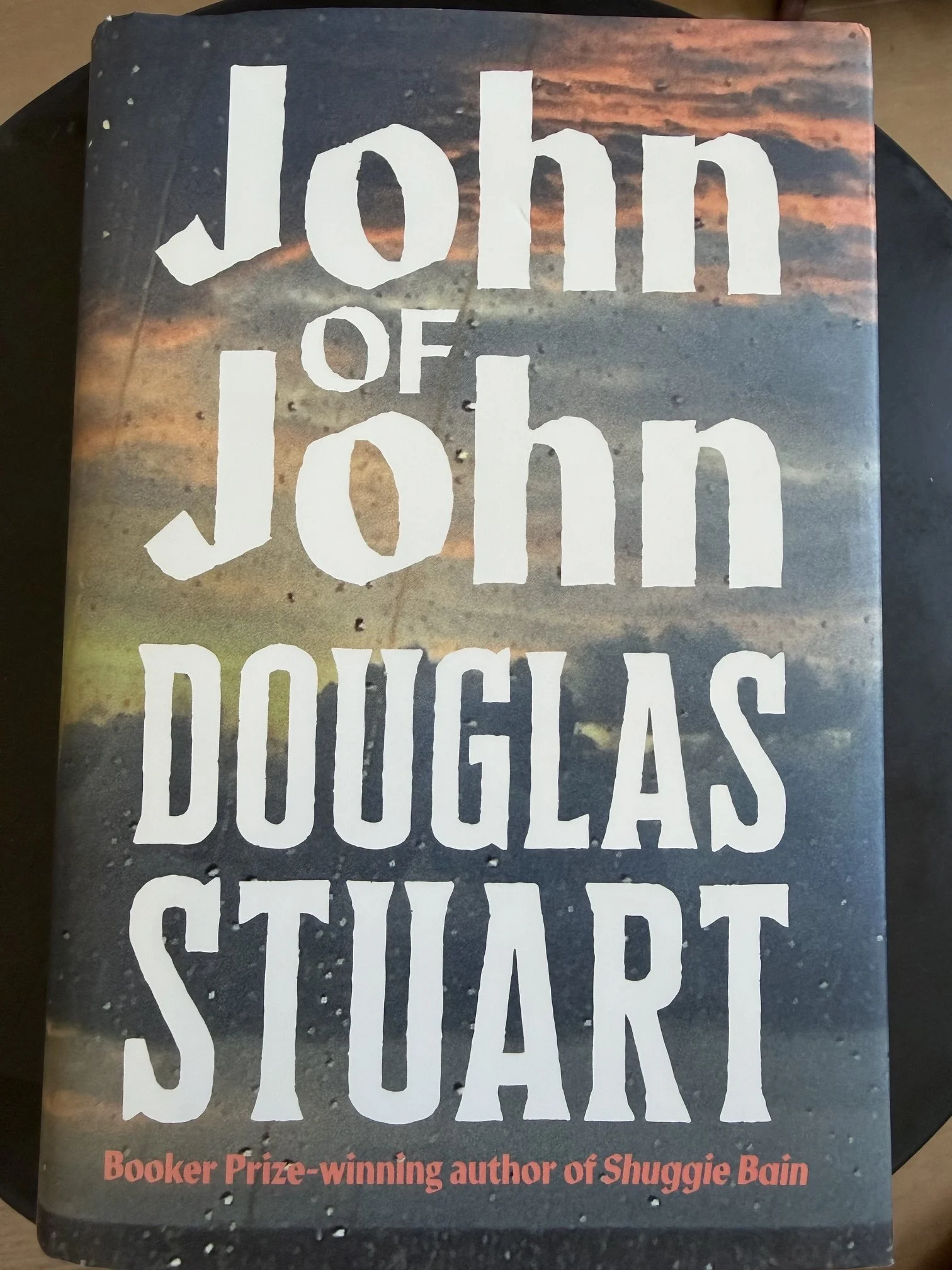
JOHN OF JOHN by Douglas Stuart is the tender, heartbreaking and yet also life-affirming tale of young Cal, who, having completed art school, returns to his childhood home on the island of Harris. He is gradually drawn back into the tight-knit Presbyterian community, with its undercurrent of secret relationships, past and present, all set against the windswept, wild backdrop of a remote Scottish island.
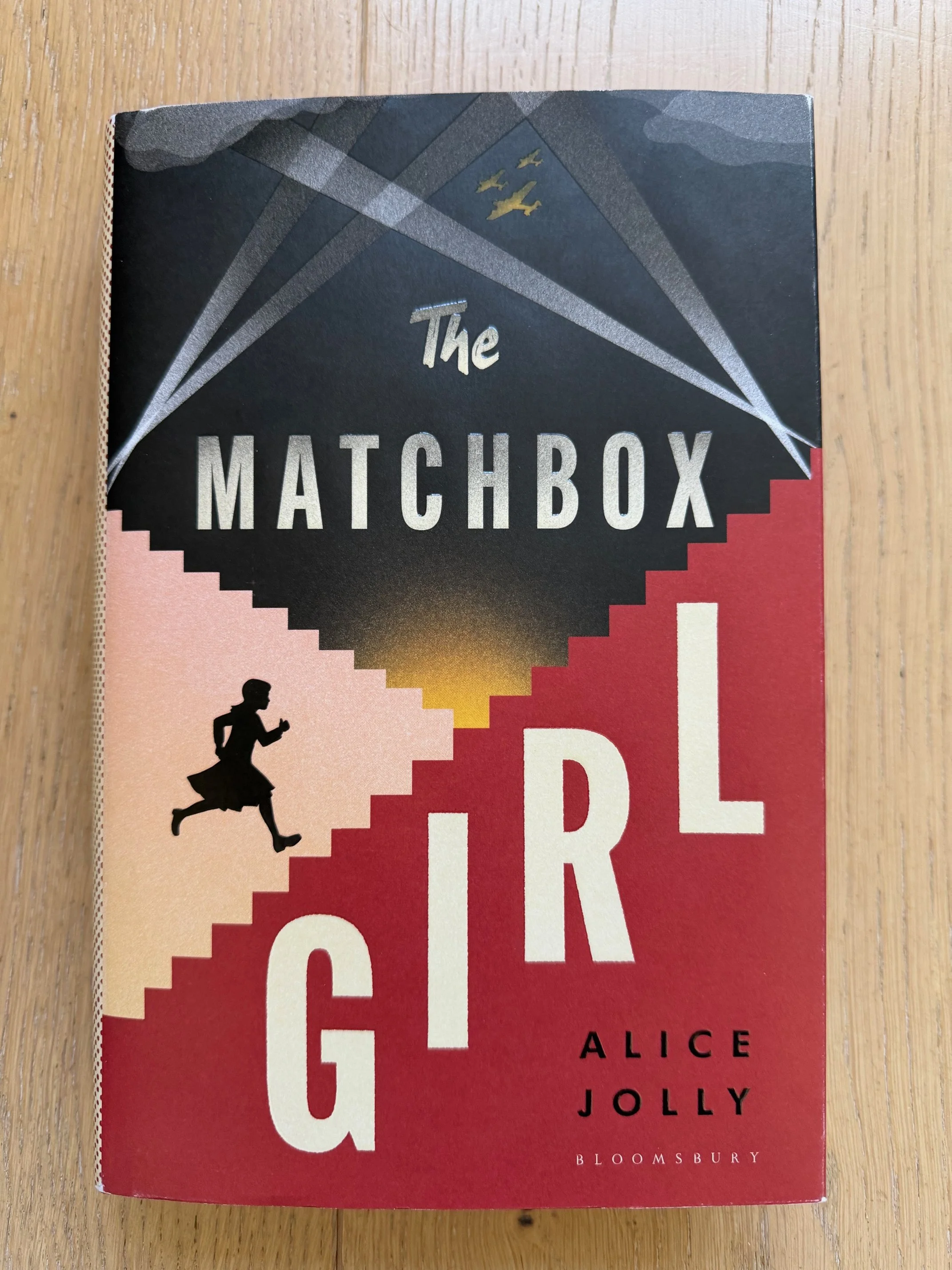
THE MATCHBOX GIRL by Alice Jolly is the complex, richly imagined, beautifully researched and ultimately tragic story of its youthful narrator, Adelheid, who is on the autism spectrum and under the care of Dr Asperger at the Vienna Children’s Hospital, during the Second World War.
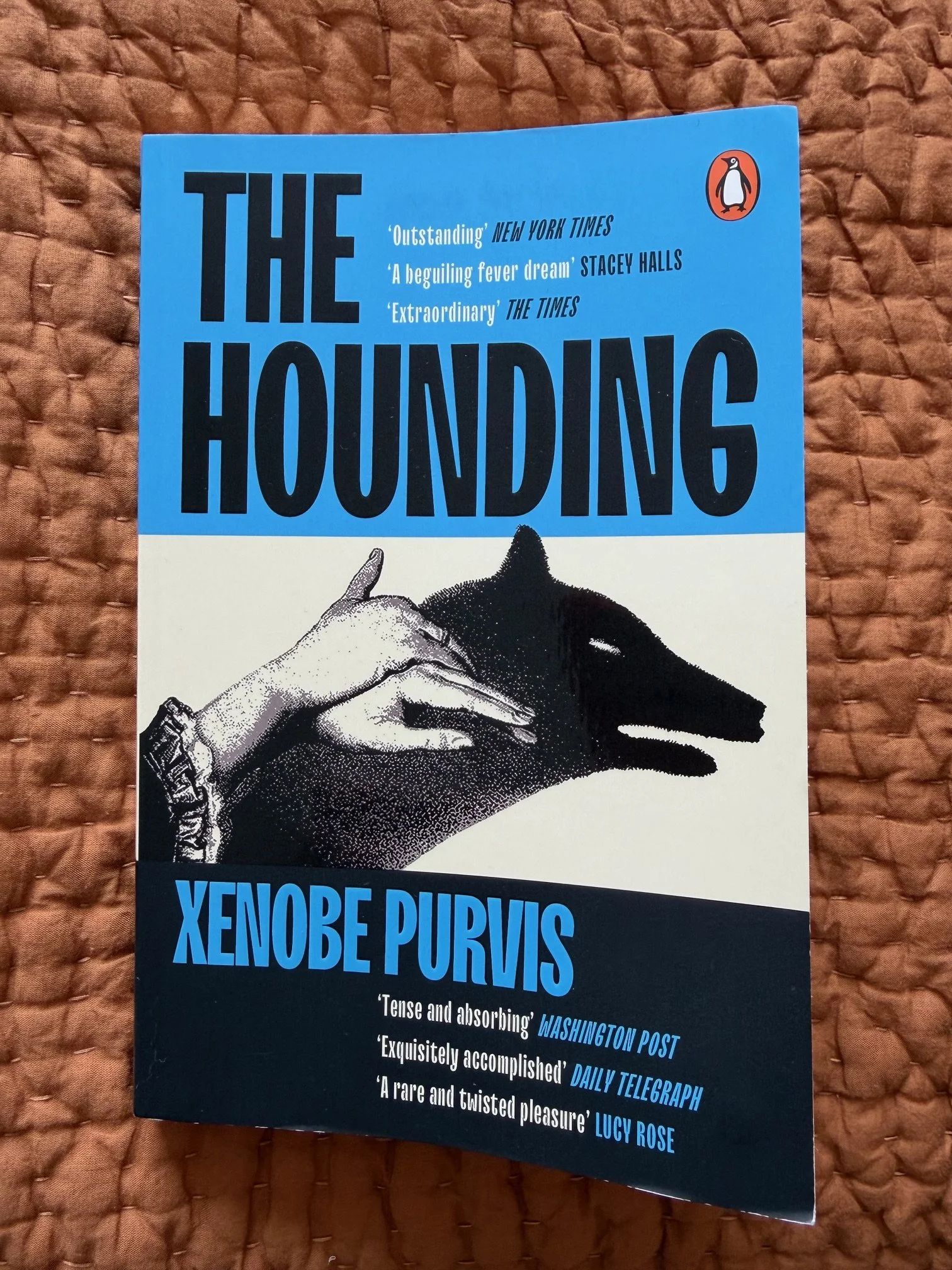
‘The girls, the infernal heat, a fresh-dead body.’ This is a cracking first line, and THE HOUNDING by Xenobe Purvis (Penguin, £9.99) offers readers a brilliant premise: a small 18th century village, a burning hot summer, a ready rumour mill, and five sisters accused of transforming themselves into terrifying hounds.
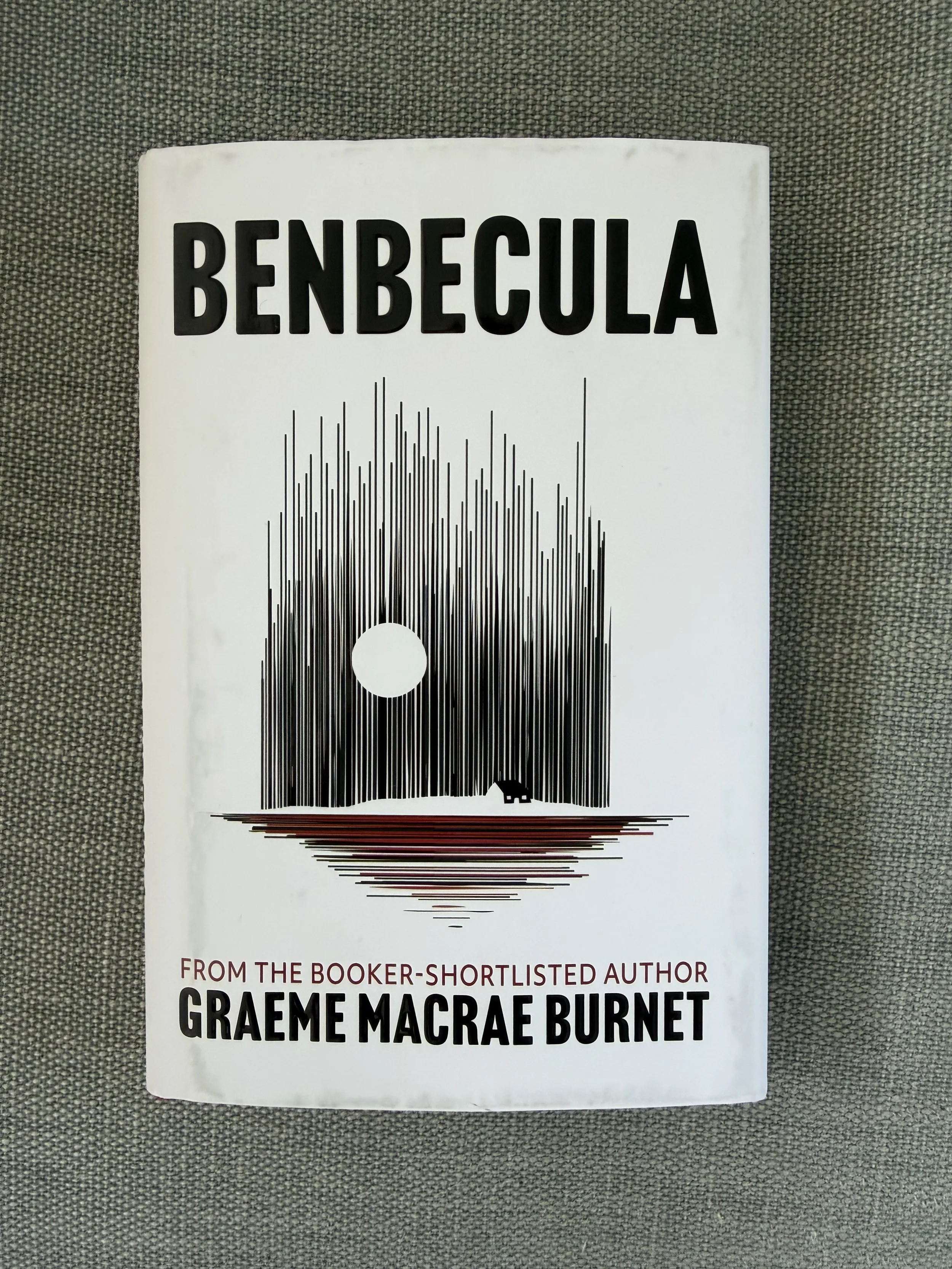
I’m always attracted to books set on the coast, and, even better, on a remote island, the further away the better. BENBECULA by Graeme Macrae Burnet is a historical novel, set on a remote Hebridean island, and a taut, psychological thriller that centres on three brutal murders.
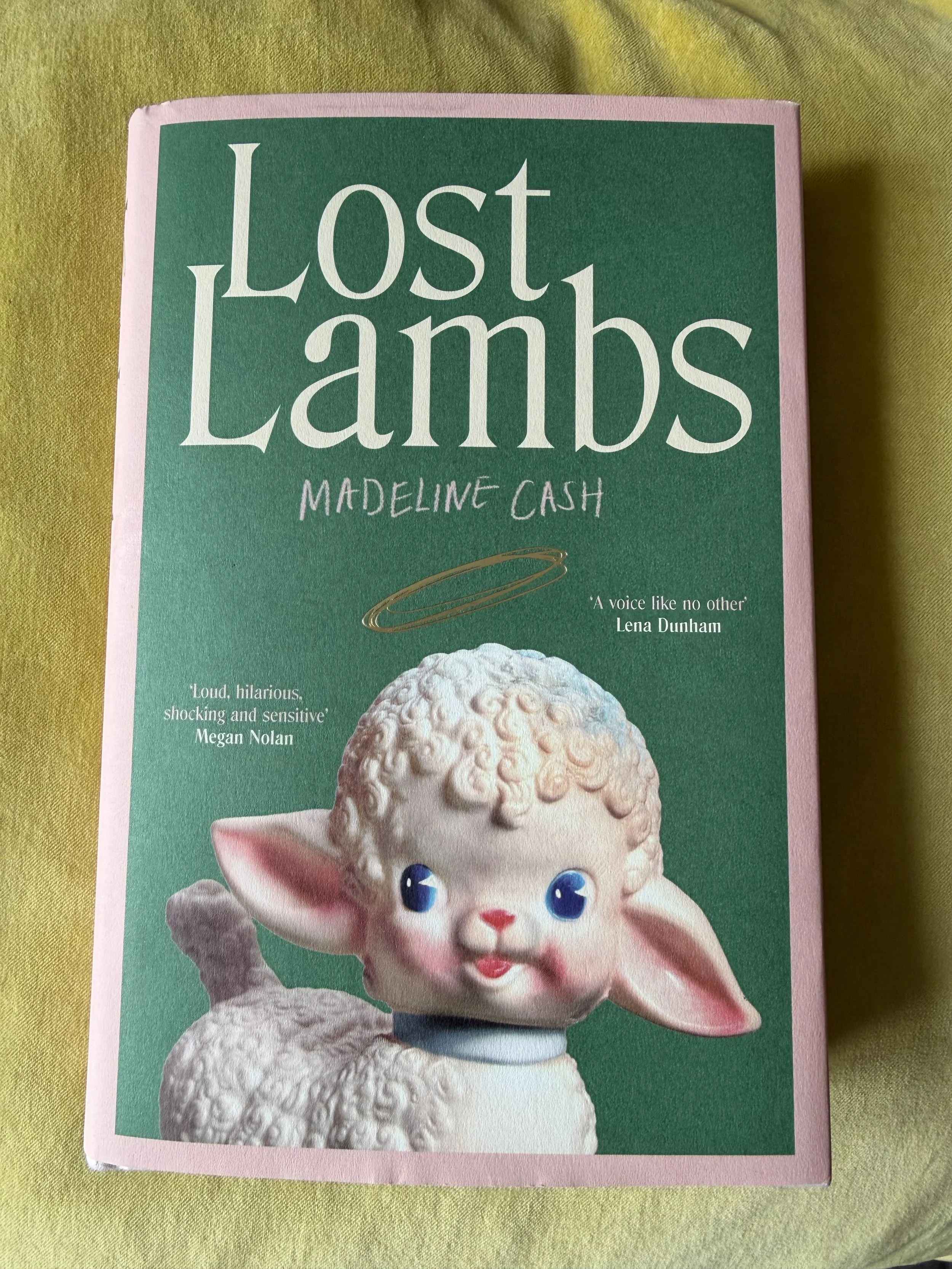
If the purpose of a great novel is to transport a reader into a new world, surprise them, entertain them, challenge them - then on all these fronts LOST LAMBS by Madeline Cash delivers.
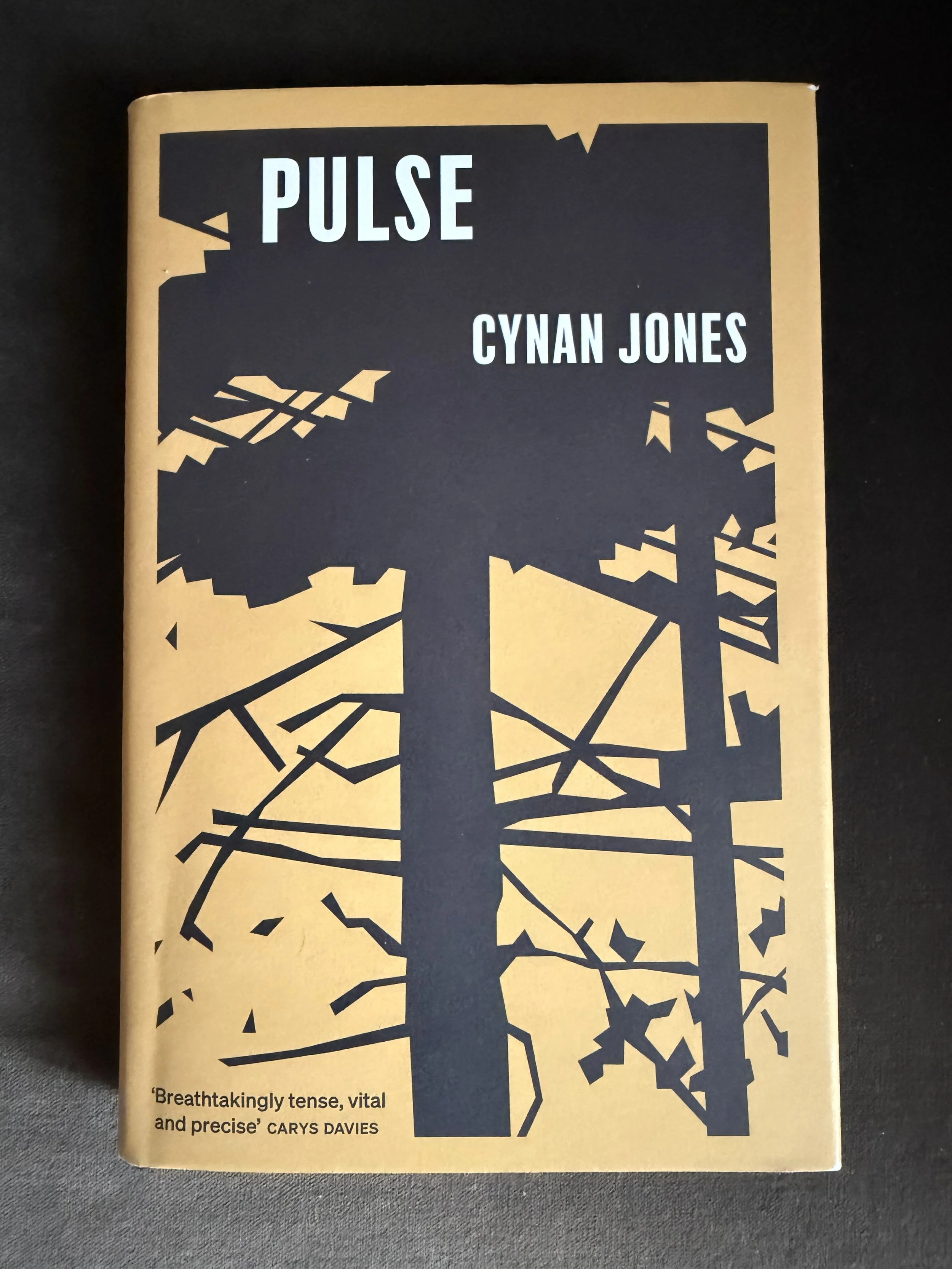
I first encountered Cynan Jones’s work in 2016, when I enjoyed the stripped back quality to his prose in his brief, elegant novel, COVE (Granta). As a lover of short stories, I was therefore intrigued to read his latest work, PULSE (Granta), which comprises six equally sparely written stories.
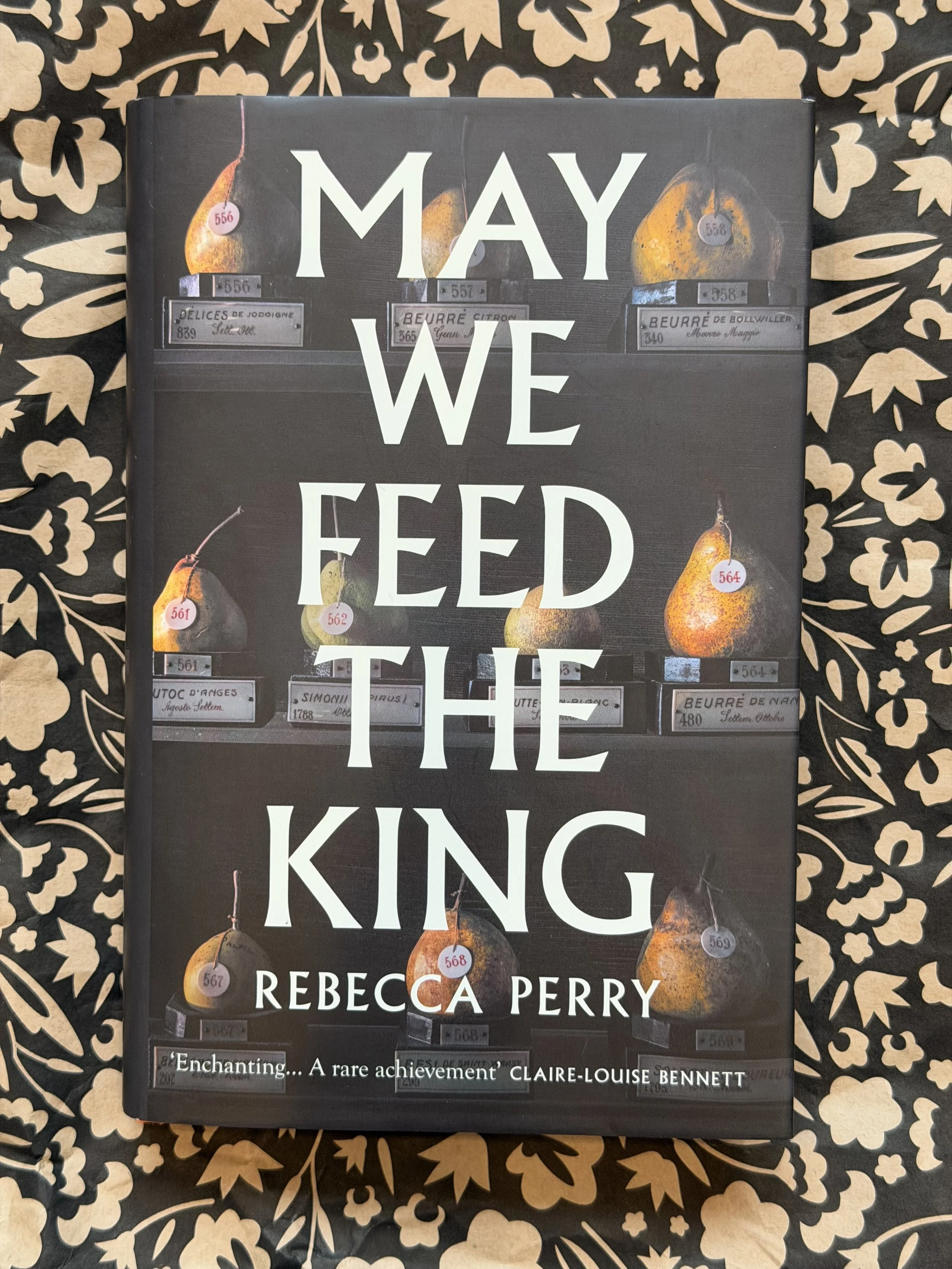
MAY WE FEED THE KING by Rebecca Perry is a whimsical, thoughtful and beautifully written debut novel from Granta, weaving between the narrator, a present-day installation curator, and the past royal court that she’s seeking to recreate.
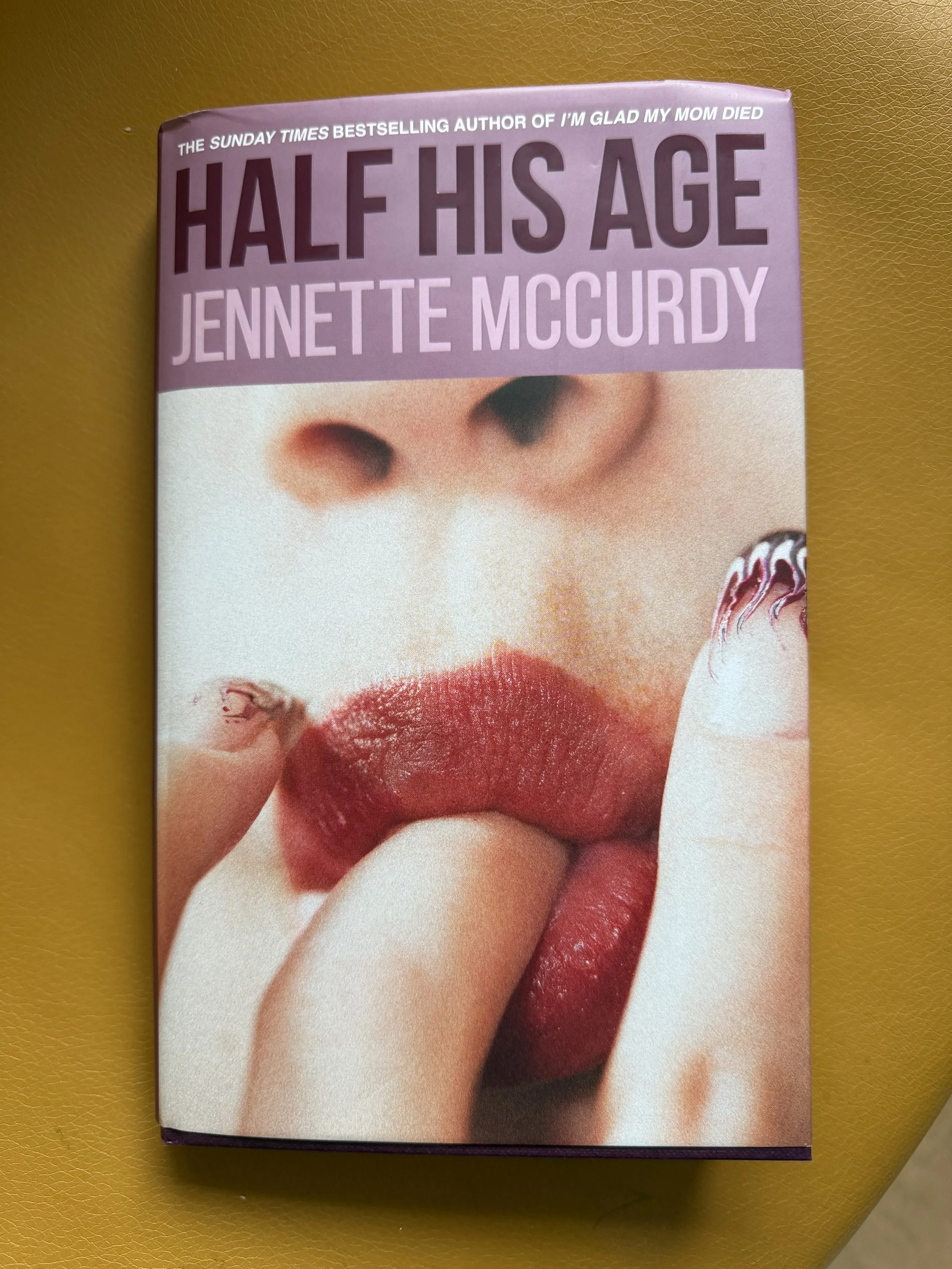
HALF HIS AGE by Jennette McCurdy is a relentlessly paced, funny, sad, poignant tale of a schoolgirl’s obsession with her Creative Writing teacher, written with taut, acutely observed economy.
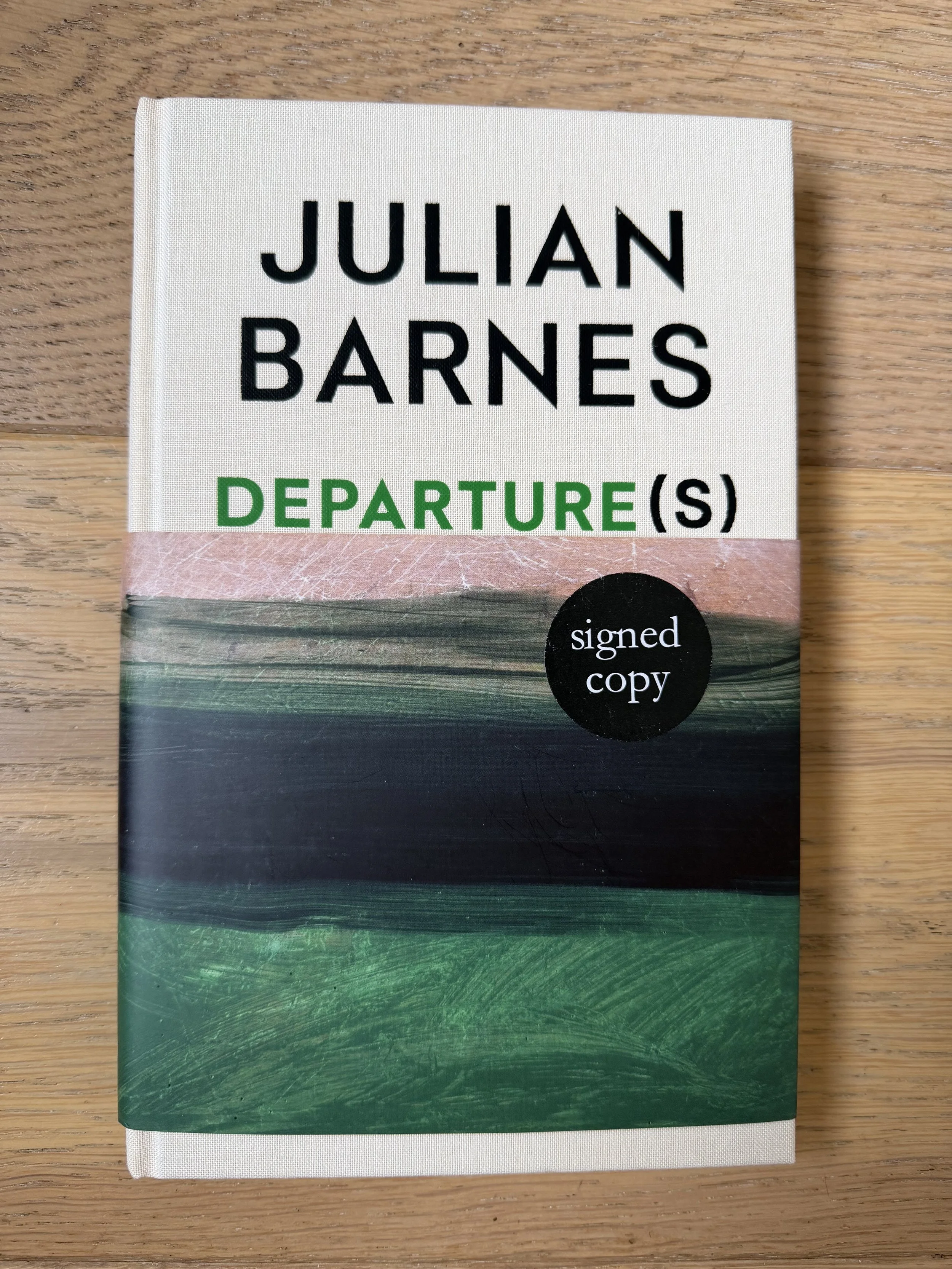
Julian Barnes’s ‘final’ book, DEPARTURE(S) is a slim, tender, and thoughtful reflection on life, the author’s relationship with his reader, and what departure really means.
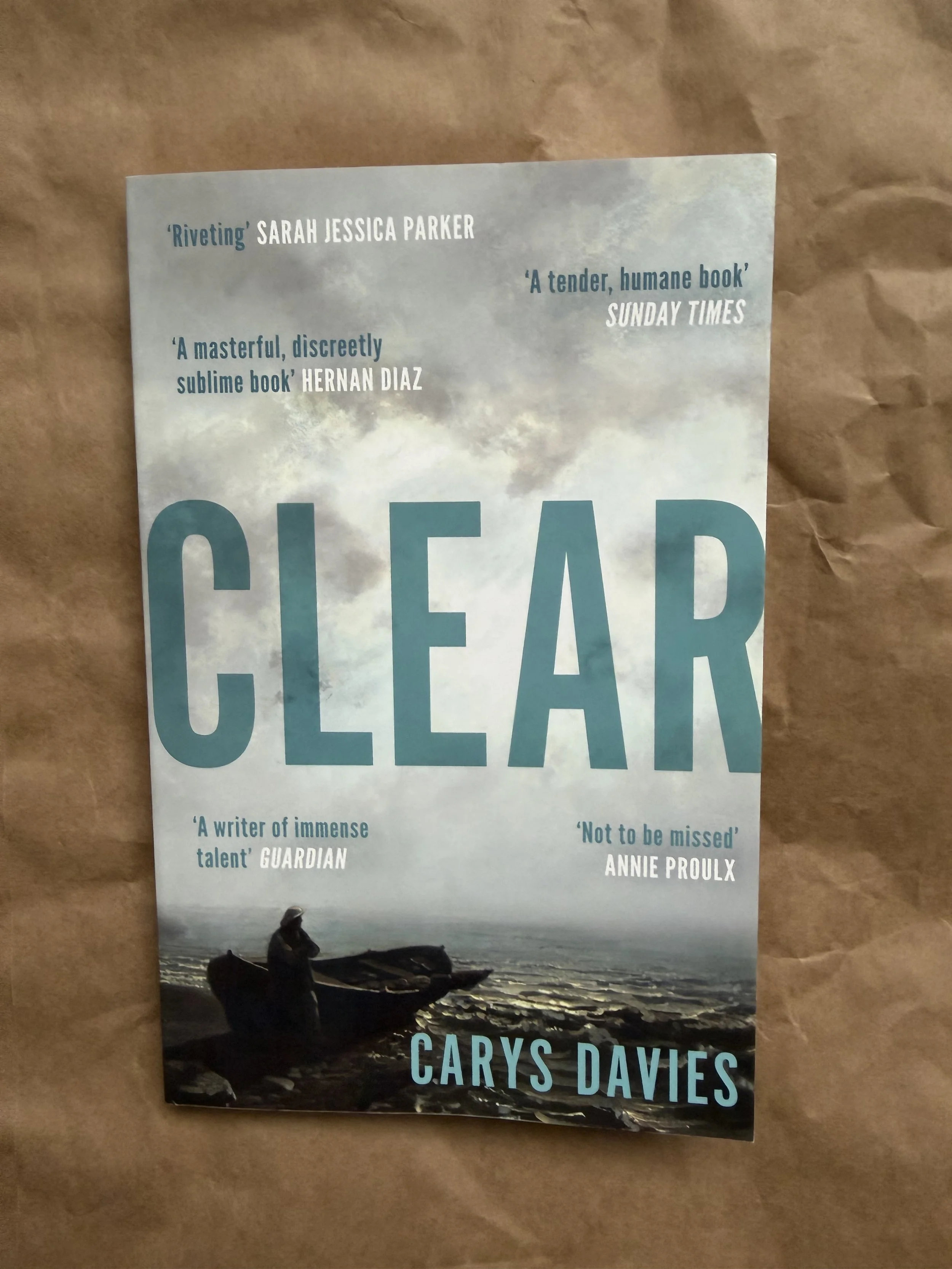
CLEAR by Carys Davies is a tender love story set on a remote Scottish island in 1843, written with an astonishing economy of language.
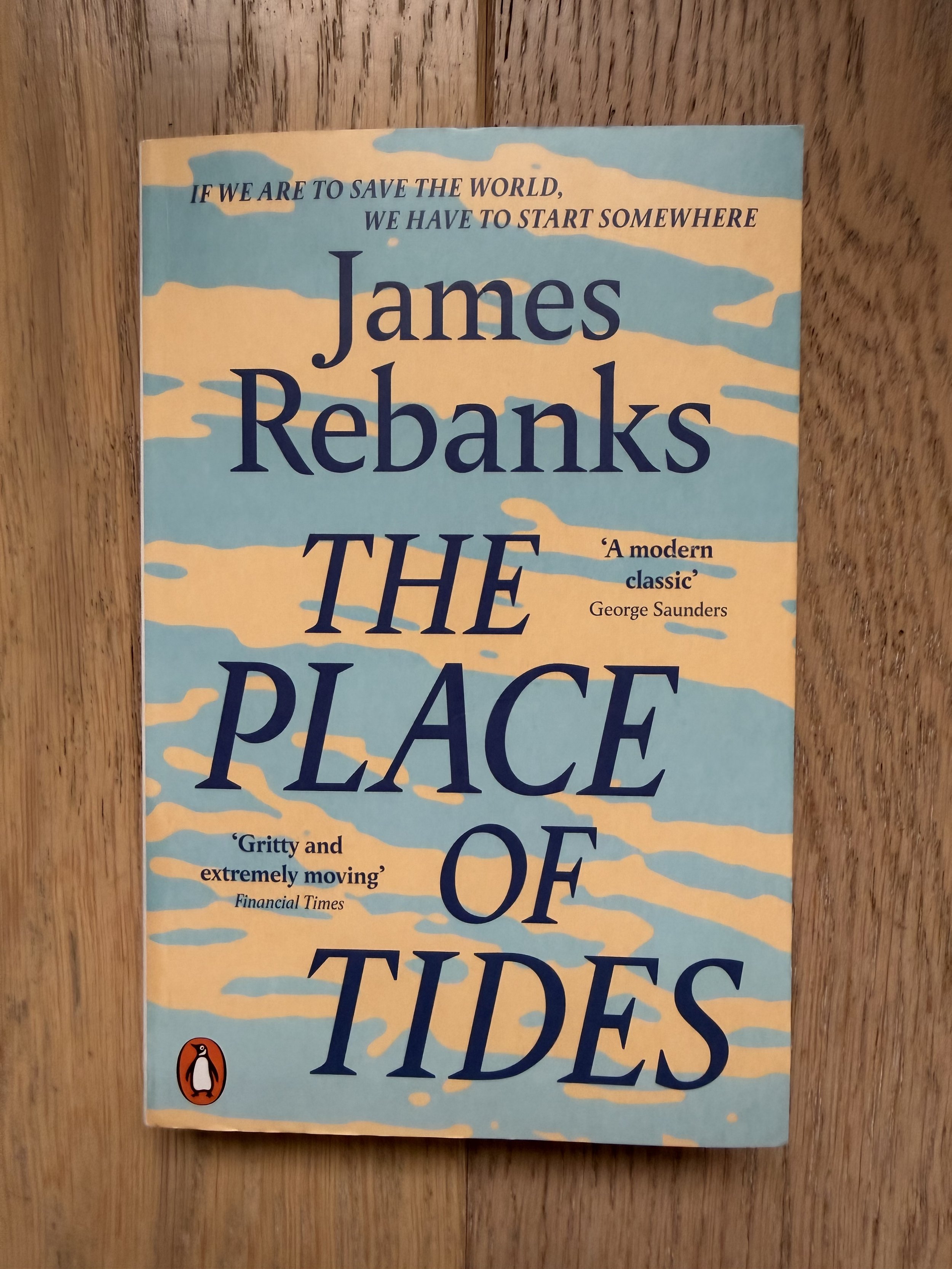
An evocative, beautifully written non-fiction book about the ‘duck women’ of Norway, who collect the precious eider down from wild ducks, and Rebanks’s personal exploration of time spent on a peaceful island, far from the bustle of 21st-century life.
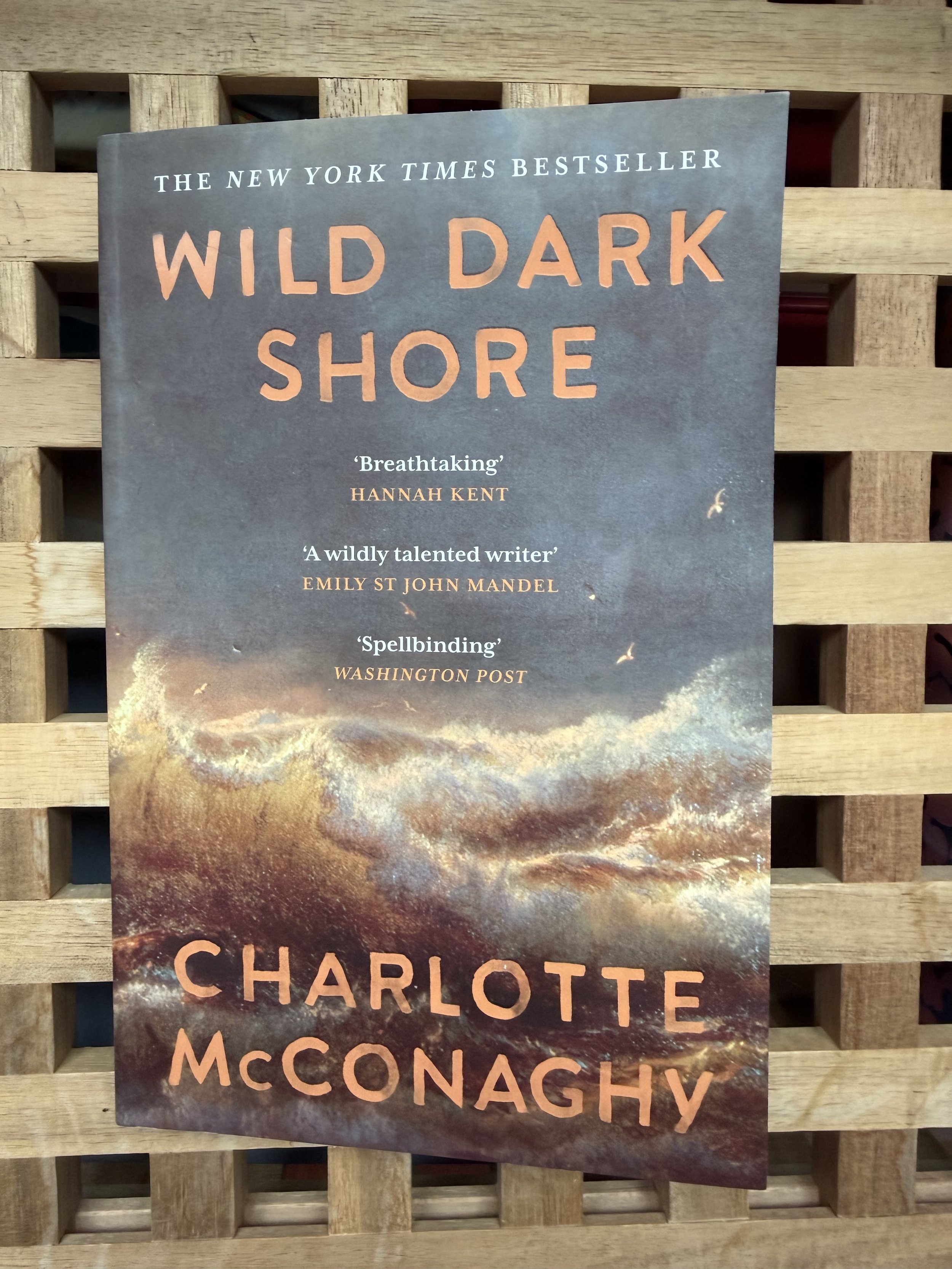
I was swayed to read WILD DARK SHORE by Charlotte McConaghy (Canongate, £9.99), now out in paperback, for three reasons, but most especially because it was a Reese’s Book Club pick for November 2025. This is a climate change novel with a mystery at its core, and a sweeping landscape of wild sea and sky.
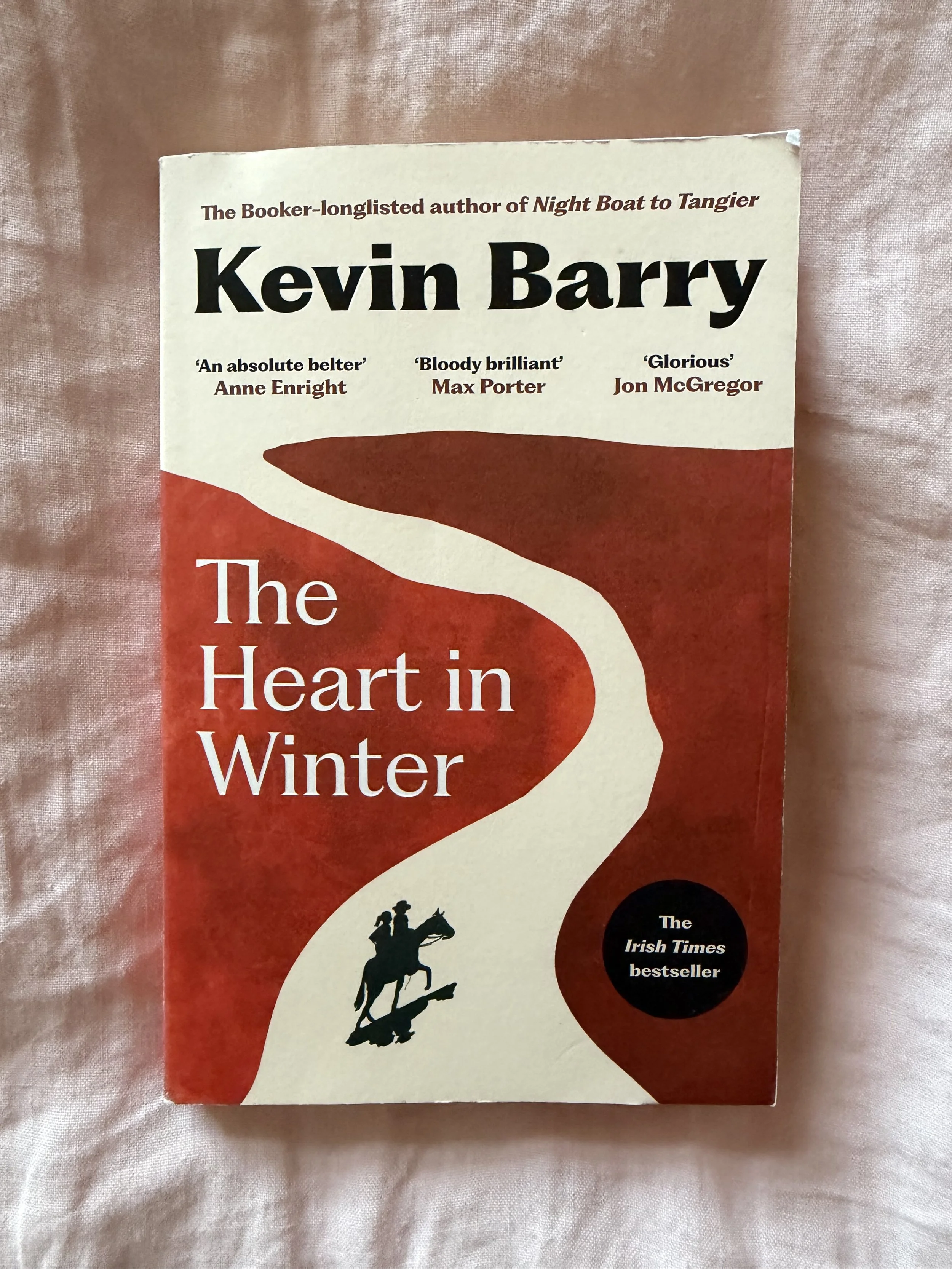
Shortlisted for the Walter Scott Prize for Historical Fiction 2025, THE HEART IN WINTER by Kevin Barry is a stunningly written, cheeky, dramatic love story set in the heart of Montana in 1891.
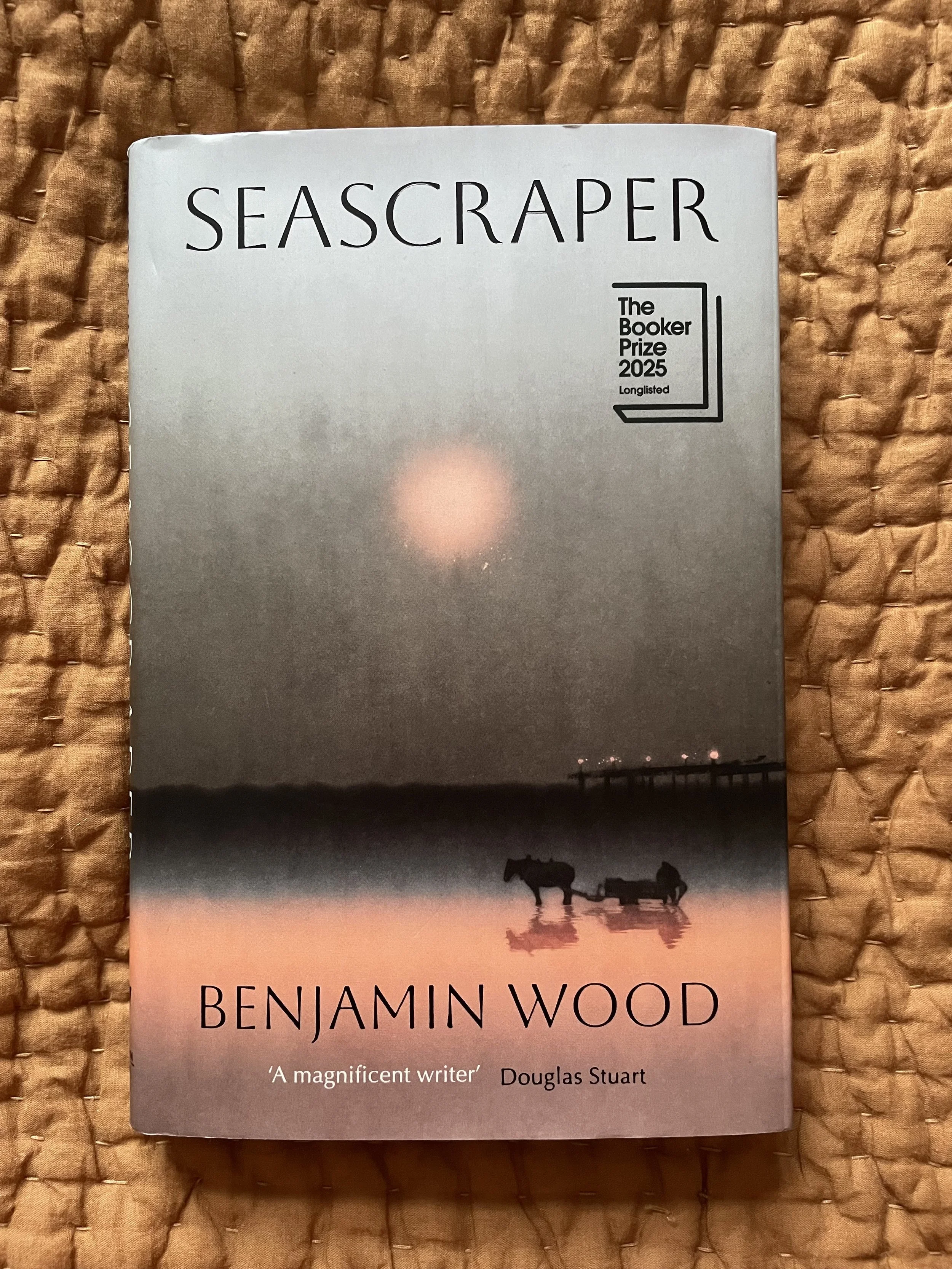
Longlisted for The Man Booker Prize 2025, SEASCRAPER by Benjamin Wood is an elegant and sparely written novel set on a lonesome shoreline, delicately observing a young man’s hopes and dreams for the future.
Andrew Miller’s perfect evocation of the freezing winter of 1962/63, focussing on two couples, both expecting their first baby, is a pitch-perfect observation of marriage, steeped in period detail.